Stick to the Facts
Add Nbsla.ca as a Preferred Source on Google to see more of our stories in your search results.

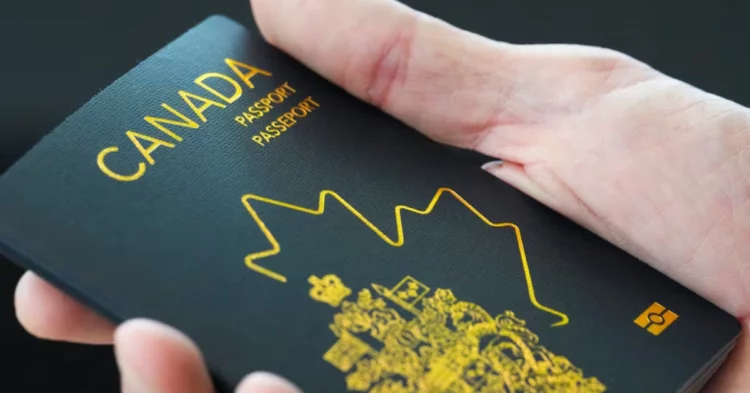
As Alberta moves closer to a referendum scheduled for October 19 on whether to begin the legal process of leaving Canada, one of the most important questions facing residents remains unresolved: What would happen to their Canadian citizenship?
For many Albertans, citizenship is more than a legal status. It determines access to passports, voting rights, mobility, international travel, and participation in the political and social institutions of Canada. Yet despite its importance, the issue has become a source of confusion and disagreement as separatist groups and constitutional experts offer sharply different interpretations of what independence could mean.
Some advocates of Alberta independence argue that residents would automatically retain their Canadian citizenship while simultaneously gaining citizenship in a newly independent Alberta. According to this view, Albertans would enjoy the benefits of dual citizenship without losing any existing rights.
However, constitutional law experts caution that such claims oversimplify a highly complex legal and political issue. They argue that there is no guarantee Canadian citizenship would continue after Alberta’s separation and that the final decision would ultimately rest with the Government of Canada and the outcome of potentially lengthy negotiations.
The debate highlights one of the most significant uncertainties surrounding any future attempt by Alberta to separate from Canada.
Why Citizenship Is Becoming a Central Issue in the Alberta Independence Debate
Questions surrounding citizenship have gained prominence as separatist organizations increase their efforts to promote Alberta sovereignty.
Among the most vocal groups is the Alberta Prosperity Project, which has become one of the leading organizations advocating for Alberta’s independence. The group argues that Albertans have little reason to worry about losing their Canadian citizenship if separation were to occur.
According to statements published by the organization, individuals who are currently Canadian citizens would likely continue to hold that status even after Alberta became an independent country. The group also suggests that residents could receive Alberta citizenship in addition to retaining their Canadian passports.
This narrative presents independence as an opportunity to gain additional rights rather than lose existing ones. Supporters argue that Albertans could potentially enjoy the advantages of both citizenships simultaneously.
However, legal scholars contend that such assurances are far from certain.
Constitutional Experts Say Canadian Citizenship Is Not Guaranteed
Gerard Kennedy, an associate professor in the Faculty of Law at the University of Alberta, has emphasized that Canadian citizenship cannot simply be assumed in the event of Alberta’s independence.
According to Kennedy, residents of a hypothetical Republic of Alberta would not automatically be entitled to Canadian citizenship unless Canada agreed to grant or preserve that status through negotiations.
This distinction is crucial because citizenship is governed by Canadian law. If Alberta ceased to be part of Canada, decisions regarding who remains a Canadian citizen would remain under Canada’s authority rather than Alberta’s.
Kennedy notes that many people mistakenly assume citizenship rights would automatically continue after separation. In reality, there is no constitutional or international legal obligation requiring Canada to maintain citizenship for residents of a province that chooses to become an independent state.
The issue would therefore become a matter of negotiation rather than legal entitlement.
How Canadian Citizenship Currently Works
Understanding the current citizenship framework helps explain why the issue is so complicated.
Today, Canadian citizenship is generally acquired through three primary pathways.
Citizenship by Birth
Most people born on Canadian soil automatically become Canadian citizens. This principle, often referred to as birthright citizenship, forms the foundation of citizenship for millions of Canadians.
Citizenship Through Naturalization
Permanent residents can apply for Canadian citizenship after meeting residency requirements and satisfying other legal criteria established by federal law.
Citizenship by Descent
Individuals born outside Canada may also qualify for citizenship if they have Canadian parents or ancestors, depending on the applicable laws.
Recent legislative changes have expanded opportunities for people living abroad to claim Canadian citizenship through family lineage, even when their Canadian ancestors emigrated generations ago.
This relatively generous approach to citizenship is often cited by those who believe Canada might be willing to allow Albertans to retain their citizenship after independence. However, experts stress that Canada’s current openness does not create a legal obligation to continue extending citizenship under entirely new constitutional circumstances.
The Clarity Act and Alberta’s Path to Separation
Any discussion about Alberta independence inevitably leads to the federal Clarity Act, legislation created in response to Quebec’s sovereignty movement during the 1990s.
The act emerged after the narrow 1995 Quebec referendum and the Supreme Court of Canada’s landmark 1998 ruling on secession.
Under the Clarity Act, a province cannot simply declare independence and leave Canada unilaterally. Instead, separation would require a clear referendum question and a clear majority vote in favor of leaving the federation.
If those conditions were met, negotiations would begin between the province, the federal government, and other provinces to determine the terms of separation.
These negotiations would address numerous critical issues, including:
Division of Assets and Debts
Governments would need to determine how national assets and liabilities would be divided between Canada and a newly independent Alberta.
Border Management
Questions concerning customs, immigration controls, and cross-border movement would need to be resolved.
Indigenous Rights
The rights, treaties, and constitutional status of Indigenous peoples would become a major aspect of any separation negotiations.
Citizenship and Passports
One of the most sensitive topics would involve determining whether Albertans could retain Canadian citizenship and under what conditions.
Importantly, citizenship would not be settled automatically. It would become one of many subjects requiring agreement among multiple parties.
The Federal Government Would Have the Final Say
A key point emphasized by constitutional experts is that Canada would ultimately control decisions regarding Canadian citizenship.
Even if Alberta sought arrangements allowing dual citizenship or continued access to Canadian passports, Ottawa would have the authority to accept, reject, or modify those proposals.
Kennedy argues that practical considerations might encourage Canada to adopt a flexible approach. Many Albertans have deep personal, cultural, economic, and familial ties to Canada. Stripping citizenship from millions of people could create enormous logistical and political challenges.
Nevertheless, practical difficulties do not create a legal requirement.
Canada could decide to allow Albertans to retain citizenship, but it would be making a political and moral choice rather than fulfilling a constitutional obligation.
This distinction lies at the heart of the citizenship debate.
Could Albertans Hold Dual Citizenship?
Supporters of Alberta independence frequently point to Canada’s existing acceptance of dual citizenship as evidence that Albertans could simply hold both Canadian and Alberta citizenship.
At first glance, this argument appears reasonable.
Millions of Canadians already possess dual citizenship. Many hold both Canadian and American passports, while others maintain citizenship ties with countries around the world.
However, experts caution that Alberta’s situation would be fundamentally different.
Existing Dual Citizenship Is Not the Same as Secession
Current dual citizenship arrangements typically involve individuals who acquire citizenship through birth, descent, or naturalization in two separate countries.
A province leaving Canada would create an entirely new legal and constitutional situation. There is no direct precedent in Canadian history for such an event.
As a result, there is no established framework automatically guaranteeing dual citizenship after provincial separation.
Whether Albertans could hold both citizenships would depend entirely on negotiations conducted after any successful separation vote.
What Happens if Negotiations Become Difficult?
Legal experts warn that citizenship could become one of the most contentious issues during post-separation discussions.
If negotiations proceeded smoothly, Canada might agree to allow existing Albertans to retain citizenship rights while also becoming citizens of an independent Alberta.
However, if relations between the two governments deteriorated, citizenship arrangements could become significantly more restrictive.
Canada could potentially impose conditions, establish eligibility requirements, or reject broad dual citizenship proposals altogether.
Such outcomes would have major implications for travel, employment, voting rights, and access to public services.
The uncertainty itself represents one of the greatest challenges facing voters considering the prospect of independence.
What About Future Generations?
Even if current Albertans were permitted to retain Canadian citizenship, experts suggest future generations might not enjoy the same privileges.
Kennedy notes that grandfathering provisions could protect individuals who were citizens at the time of separation while excluding their descendants.
This means children born after Alberta’s independence might not automatically qualify for Canadian citizenship, even if their parents retained it.
Over time, this could create a growing distinction between people who were citizens before separation and those born afterward.
Such long-term consequences are rarely discussed in public debates but could significantly shape Alberta’s future relationship with Canada.
Tax Implications of Dual Citizenship
Another often-overlooked issue involves taxation.
Dual citizenship can sometimes create obligations to file taxes in multiple countries.
The United States provides a well-known example. American citizens living abroad are generally required to submit U.S. tax returns regardless of where they reside.
Although tax treaties often prevent double taxation, compliance requirements can still be complex and burdensome.
If Alberta became independent and dual citizenship arrangements emerged, governments would need to negotiate tax agreements to prevent residents from facing overlapping obligations.
Without such agreements, citizens could encounter significant financial and administrative challenges.
International Recognition Could Become a Major Obstacle
Citizenship is valuable only if it is recognized by other countries.
This reality introduces another layer of uncertainty into the independence debate.
Even if Alberta created its own citizenship and passport system, international acceptance would not be automatic.
Countries around the world would need to decide whether they recognize Alberta as a sovereign state and whether they accept Alberta-issued passports.
Recognition Depends on International Politics
Recognition often depends on diplomatic and political considerations rather than purely legal principles.
If Alberta separated with Canada’s consent, international recognition would likely be easier to obtain.
However, if Alberta attempted to declare independence without federal approval, many countries might hesitate to recognize the new state.
In such a scenario, Alberta passports could face significant restrictions until broader international recognition was achieved.
This could affect travel, business operations, immigration processes, and international agreements.
Why Citizenship Could Become the Defining Issue of the Referendum Campaign
As Alberta approaches its referendum, citizenship may emerge as one of the most influential issues shaping public opinion.
For many voters, economic debates, resource policies, and political grievances are important considerations. Yet questions about passports, legal rights, and personal identity strike at a deeply personal level.
The possibility of losing Canadian citizenship, even temporarily, could cause significant concern among voters who value unrestricted access to the rest of Canada and the broader privileges associated with citizenship.
At the same time, separatist advocates will likely continue arguing that independence can be achieved without sacrificing those benefits.
The clash between these competing narratives is expected to intensify as the referendum campaign progresses.
Conclusion
The question of whether Albertans would retain Canadian citizenship after independence remains unresolved and highly contentious.
While separatist groups argue that citizens could enjoy both Canadian and Alberta citizenship, constitutional experts emphasize that no legal guarantee exists. Under Canadian law, the federal government would retain authority over citizenship decisions, and any arrangements would depend on complex negotiations following a successful separation process.
Additional complications involving dual citizenship, taxation, future generations, passport recognition, and international legitimacy further illustrate the uncertainty surrounding the issue.