Stick to the Facts
Add Nbsla.ca as a Preferred Source on Google to see more of our stories in your search results.

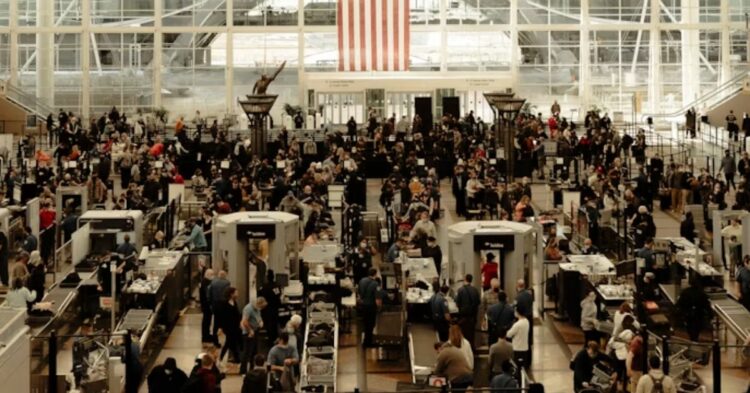
Thousands of travelers stranded across USA today as a massive wave of flight cancellations and delays disrupts airports from New York and Chicago to Dallas, Boston, Miami, Nashville, Phoenix, Washington DC, and Philadelphia. The latest nationwide aviation crisis has already triggered 659 flight cancellations and 2,387 delays across the United States, leaving passengers stuck inside crowded terminals, missing connections, and scrambling for rebookings as major airlines including American Airlines, Southwest Airlines, Delta Air Lines, SkyWest Airlines, United Airlines, Republic Airlines, Endeavor Air, PSA Airlines, and Piedmont Airlines struggle to maintain normal operations.
The severe travel chaos sweeping across the American aviation network today has become one of the largest airline disruption events of the week, with New York emerging as the biggest hotspot after a reported sinkhole forced a runway shutdown at LaGuardia Airport. The operational crisis quickly spread throughout the East Coast and Midwest aviation system, impacting travelers nationwide.
New York Airports Become Epicenter of USA Flight Chaos
New York has become the center of the nationwide airline disruption crisis as LaGuardia Airport and JFK International Airport experience major operational breakdowns. LaGuardia Airport recorded an astonishing 205 flight cancellations and 297 delays, making it the most disrupted airport in America today.
The situation worsened after reports confirmed a sinkhole-related runway shutdown at LaGuardia, creating cascading delays throughout the airport’s tightly packed flight schedule. Airlines operating heavily through LaGuardia, including American Airlines, Delta Air Lines, Republic Airlines, and Endeavor Air, were forced to cancel or delay hundreds of flights.
Meanwhile, John F. Kennedy International Airport also faced heavy disruption with 61 cancellations and 184 delays. Together, LaGuardia and JFK disruptions created enormous pressure across the entire New York metropolitan air travel network.
Travelers departing from or connecting through New York reported long customer service lines, gate changes, delayed baggage handling, and missed connections as airlines struggled to recover schedules.
Dallas-Fort Worth Leads the Nation in Flight Delays
While New York led the nation in cancellations, Dallas-Fort Worth International Airport recorded the highest number of delays in the country with 497 delayed flights alongside 58 cancellations.
Dallas-Fort Worth serves as one of the busiest airline hubs in America and a critical connection point for domestic and international routes. Any operational slowdown at DFW rapidly affects flights nationwide, particularly for American Airlines, which operates one of its largest hubs there.
Passengers traveling through Dallas faced aircraft congestion, departure slowdowns, crew scheduling disruptions, and extended waiting times throughout the day.
The delays at Dallas-Fort Worth also triggered ripple effects across airports in Phoenix, Miami, Chicago, Nashville, and Los Angeles as aircraft rotations and connecting schedules fell behind.
Chicago O’Hare, Philadelphia and Washington DC Face Major Disruptions
Chicago O’Hare International Airport once again ranked among the most heavily affected airports in the United States. The airport recorded 357 delays and 31 cancellations as congestion intensified at one of America’s busiest aviation hubs.
United Airlines operations at Chicago O’Hare experienced heavy strain due to ongoing network congestion and operational bottlenecks. Travelers connecting through Chicago reported widespread gate changes and delayed departures throughout the day.
Philadelphia International Airport faced one of the highest cancellation totals nationwide with 121 canceled flights and 132 delays. Regional airline operations were hit especially hard, leaving passengers stranded and forcing airlines to reorganize schedules.
Washington Reagan National Airport also experienced severe disruption with 102 cancellations and 284 delays. Regional carriers operating along the East Coast bore much of the impact as operational recovery efforts struggled to keep pace with growing delays.
Boston, Miami, Nashville and Phoenix Also Hit by Growing Airline Disruptions
Boston Logan International Airport recorded 189 delays and 36 cancellations, affecting both domestic and international travelers. Airlines operating Northeast routes faced mounting congestion due to weather pressure and operational constraints spreading from New York and Washington DC.
Miami International Airport saw 106 delays and 21 cancellations, impacting Florida tourism traffic and Latin American connections. Delays in Miami also affected connecting passengers traveling to Caribbean and South American destinations.
Nashville International Airport reported 141 delays and 16 cancellations, while Phoenix Sky Harbor International Airport recorded 200 delays and 8 cancellations as the disruption wave expanded further into the South and Southwest regions.
The ongoing delays demonstrate how interconnected the U.S. aviation system has become. Once disruptions begin at major hubs like New York, Dallas, Chicago, or Washington DC, the impact spreads rapidly across the country.
American Airlines Suffers Highest Cancellation Numbers
Among all major carriers, American Airlines suffered the largest cancellation volume nationwide with 152 canceled flights and 580 delays. The airline’s hubs in Dallas-Fort Worth, Philadelphia, and New York were among the most severely affected airports.
Passengers flying American Airlines reported extensive rebooking queues and limited seat availability on alternative flights due to widespread operational pressure.
Southwest Airlines recorded the largest total delay count nationwide with 965 delayed flights, although the airline managed to keep cancellations comparatively low at only 10 canceled flights.
Delta Air Lines also faced significant operational strain with 93 cancellations and 496 delays, particularly across New York and East Coast operations.
Regional airlines experienced even heavier proportional disruption. Republic Airlines recorded 141 cancellations and 259 delays, while Endeavor Air faced 92 cancellations and 222 delays nationwide.
United Airlines reported 460 delays and 20 cancellations as congestion continued affecting hubs such as Chicago O’Hare, Newark, Denver, and San Francisco.
SkyWest Airlines experienced 314 delays, highlighting growing operational stress across regional airline networks supporting major U.S. carriers.
Why Flight Cancellations and Delays Across USA Are Increasing
The latest wave of flight cancellations and delays across the USA reflects deeper challenges currently facing the American aviation system. Industry experts point to several major causes behind the ongoing disruption crisis:
- Heavy airport congestion
- Infrastructure limitations
- Air traffic control restrictions
- Aircraft rotation problems
- Crew scheduling shortages
- Severe weather disruptions
- Runway closures and airport operational incidents
- Rising summer travel demand
The reported sinkhole incident at LaGuardia Airport demonstrates how a single infrastructure problem can quickly trigger nationwide consequences across interconnected airline schedules.
As peak summer travel approaches, aviation analysts warn that flight delays and cancellations may continue increasing at major hubs including New York, Chicago, Dallas, Atlanta, Boston, Miami, Las Vegas, Orlando, Los Angeles, and Phoenix.
Travelers Across USA Struggle With Long Waits and Missed Connections
Thousands of stranded travelers across America spent hours inside airport terminals waiting for updates, standby options, or hotel accommodations as airlines attempted to stabilize operations.
Passengers reported:
- Extremely long customer service lines
- Constant gate changes
- Delayed baggage delivery
- Missed international connections
- Limited rebooking availability
- Crowded terminals and security checkpoints
Many travelers also experienced difficulties securing nearby hotel rooms as airport-area accommodations filled rapidly due to the growing number of stranded passengers.
The disruption crisis especially impacted families, business travelers, students, and international tourists connecting through major hub airports.
What Travelers Should Do During USA Flight Disruptions
Passengers traveling during the ongoing airline disruption crisis are being advised to remain flexible and closely monitor airline notifications.
Travel experts recommend:
- Checking airline apps regularly for updates
- Arriving earlier than usual at airports
- Keeping chargers, medications, and essentials in carry-on bags
- Exploring alternate airports when possible
- Monitoring weather and FAA advisories
- Reviewing airline compensation and hotel policies
- Contacting airlines immediately after cancellations occur
Travelers are also encouraged to avoid tight layovers during periods of widespread operational disruption.
America’s Aviation Network Faces Continued Pressure
The latest nationwide disruption wave highlights the growing pressure on America’s aviation infrastructure as airlines struggle to handle increasing passenger demand while managing operational constraints and weather-related incidents.
From New York and Chicago to Dallas, Boston, Miami, Nashville, Phoenix, Philadelphia, and Washington DC, airports across the country continue facing mounting congestion and schedule instability.
With 659 flights canceled and 2,387 delays already reported today, thousands of travelers stranded across USA today may continue experiencing disruptions into the coming days as airlines work to recover aircraft positioning, crew schedules, and delayed operations across the national air travel system.