Stick to the Facts
Add Nbsla.ca as a Preferred Source on Google to see more of our stories in your search results.

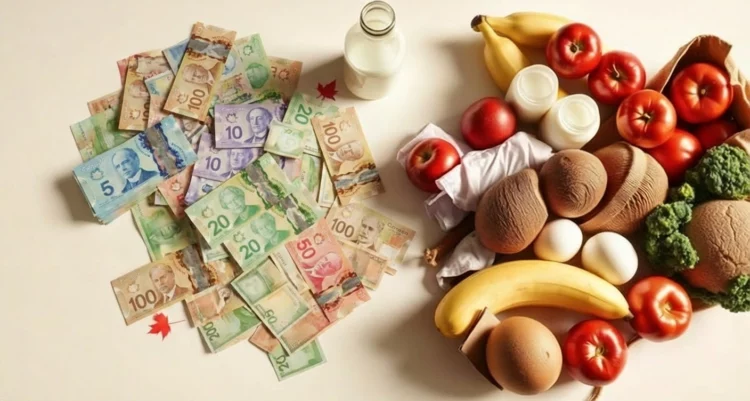
Millions of Canadians will receive a much-anticipated financial boost this summer as the federal government rolls out a one-time grocery benefit payment aimed at easing the pressure of rising food costs.
The payment, scheduled for June 5, 2026, is part of the newly introduced Canada Groceries and Essentials Benefit, a revamped support program that replaces the long-standing GST/HST credit with enhanced payouts and broader relief.
Here is a detailed breakdown of what this means, who qualifies, and how much you can expect.
June 5 Payment Confirmed Under New Grocery Benefit Program
The federal government has confirmed that eligible Canadians will receive their one-time grocery benefit payment on June 5, 2026.
This payment is part of the transition to the new Canada Groceries and Essentials Benefit, which is designed to provide targeted financial support for everyday essentials such as food, household supplies, and basic living costs.
The benefit builds on the existing GST/HST credit system but introduces higher payments and a more structured approach to helping low- and modest-income households.
Canada Child Benefit April 2026 Payment: What Ontario Families Need to Know Before April 20
Benefit Cheques Arriving in May and June 2026: Full Schedule, Amounts, and Who Qualifies
Canada Workers Benefit Payment Increase July 2026: Higher Payments Coming for Millions of Workers
New Canada Disability Benefit Payments Arriving April 2026 With Up to $200 Support
Why This Payment Matters in 2026
The timing of this benefit is significant. Grocery prices across Canada have remained elevated in 2026, with noticeable increases in staple food items.
Data from Statistics Canada shows rising costs for key grocery products such as chicken, ground beef, and bananas earlier this year. While some items have seen slight declines, overall food prices remain higher compared to previous months.
Global factors, including rising fuel and shipping costs, have also contributed to ongoing price pressures, making this one-time payment particularly important for households trying to manage daily expenses.
Who Is Eligible for the One-Time Grocery Benefit
Eligibility for the June payment is straightforward and aligns with the existing GST/HST credit system.
You may qualify if:
- You were eligible for the GST/HST credit
- You filed your income tax return for the relevant year
- Your income falls within the qualifying thresholds
- You are a resident of Canada for tax purposes
The government has emphasized that filing your tax return is essential. Even if you had little or no income, failing to file could mean missing out on the payment entirely.
Maximum Payment Amounts Based on Family Size
The amount you receive depends on your family situation, including marital status and number of children.
Single Individuals and Single Parents
- $267 with no children
- $441 with one child
- $533 with two children
- $625 with three children
- $717 with four children
Married or Common-Law Couples
- $349 with no children
- $441 with one child
- $533 with two children
- $625 with three children
- $717 with four children
These figures represent maximum payments. The actual amount may be lower depending on your income level.
How This Payment Fits Into Your Total 2026 Benefits
The one-time grocery payment is not a replacement for regular benefits. It is an additional top-up.
When combined with the regular quarterly payments under the new system:
- A single individual could receive up to $950 in 2026
- A family of four could receive up to $1,890 in total support
This makes the 2026 benefit year one of the most financially supportive periods for eligible Canadians under this program.
Indexed to Inflation for Long-Term Support
One key feature of the new benefit is that it will be indexed to inflation.
This means:
- Payment amounts will increase over time
- Adjustments will reflect the rising cost of living
- Canadians will continue receiving relevant support in future years
This approach ensures that the benefit does not lose value as prices increase.
Transition From GST/HST Credit to New Benefit
The Canada Groceries and Essentials Benefit replaces the GST/HST credit but retains its core structure.
Key changes include:
- Higher payment amounts
- A one-time top-up for 2026
- Ongoing annual increases
- Continued quarterly payment schedule
This transition allows the government to modernize the program while maintaining a familiar system for recipients.
Steps to Make Sure You Receive Your Payment
To avoid missing out on the June 5 payment, take the following steps:
File Your Tax Return
This is the most important requirement. Your eligibility is determined based on your tax filing.
Check Your CRA Information
Ensure your banking details, address, and family status are up to date.
Sign Up for Direct Deposit
Direct deposit ensures faster access to your payment and avoids delays.
Monitor Your CRA Account
Regularly check your account for updates, payment confirmations, and notices.
What If You Don’t Receive the Payment
If June 5 passes and you have not received your benefit:
- Confirm that your tax return has been filed and processed
- Review your eligibility for the GST/HST credit
- Check your CRA account for any notices or reassessments
- Contact the CRA if there is no explanation
In most cases, missing payments are due to incomplete tax filings or outdated personal information.
The June 5 grocery benefit payment offers timely financial relief as Canadians continue to deal with higher food prices and cost-of-living pressures.
With payments reaching hundreds of dollars per household and additional increases built into the system, the new program marks a significant expansion of federal support.
For millions of Canadians, this benefit will play a key role in easing everyday expenses in 2026 and beyond.